
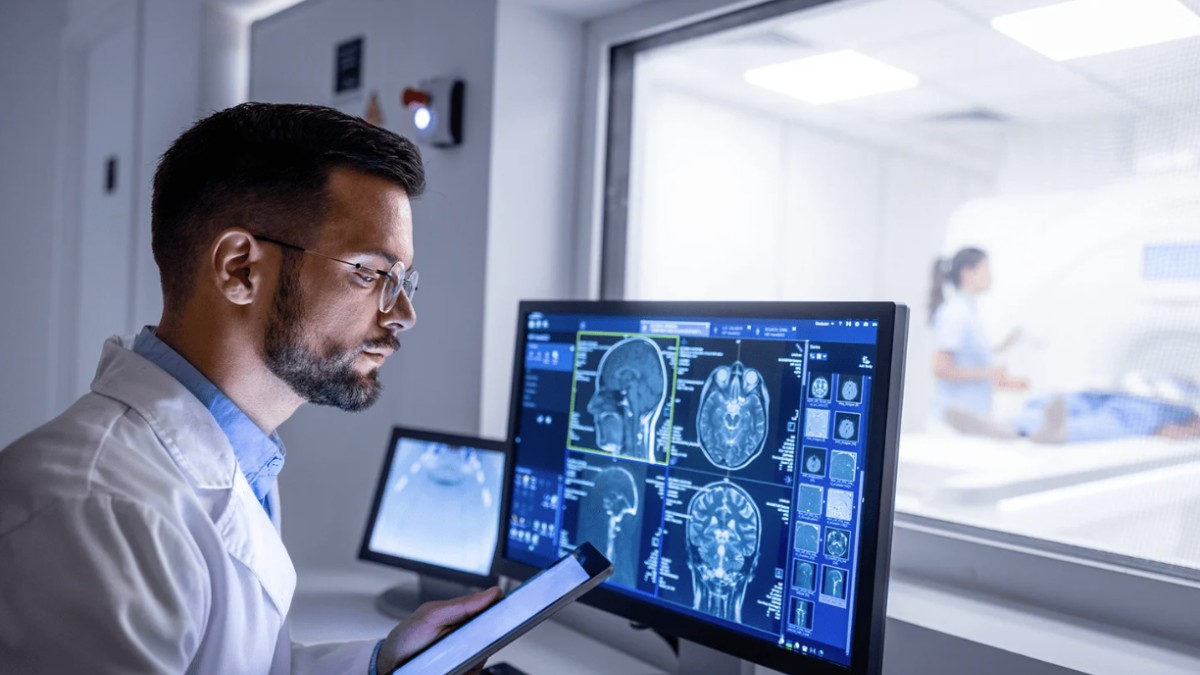
Radiology sits at the heart of modern diagnosis because it allows doctors to see inside the body with remarkable clarity, and this visibility transforms clinical decisions by giving health professionals reliable information that guides treatment, prevents unnecessary procedures, and supports patient safety with evidence-based insight.
What Radiology Really Means in Daily Healthcare
Radiology often feels like a world behind closed doors because many patients only experience it during stressful moments, yet its role shapes almost every major diagnosis in modern medicine. It helps doctors confirm doubts, rule out risks, and uncover hidden conditions that would stay unnoticed without imaging support. According to our editor’s research, patients trust radiology more when they understand its purpose in clinical decisions. That trust grows when they know how each image offers clues that guide the next step in care. This makes radiology not just a medical department but a bridge between uncertainty and clarity. Many people only think of X-rays when they hear the word radiology, yet the field stretches far beyond that simple image. It includes advanced tools that visualize tissues, vessels, movement, and even metabolic activity inside the body. When doctors combine these images with the patient’s story, they can create a diagnosis that feels grounded rather than speculative. This simple connection explains why imaging sits at the core of modern medicine.
How Imaging Methods Differ and Why It Matters?
Every imaging method tells a different part of the medical story and offers doctors unique pieces of information that help them understand what the body is trying to communicate. X-rays provide quick structural views and help detect fractures or lung changes with impressive speed. CT scans offer layered cross-section images that give doctors more detail about organs, internal bleeding, and complex injuries. MRI stands out because it uses magnetic fields instead of radiation, making it ideal for soft tissue evaluation, brain studies, and joint concerns. Ultrasound, on the other hand, creates images through sound waves and helps clinicians assess pregnancies, abdominal organs, and blood flow. As a result of our editor’s reviews, patients who understand these differences feel less fearful before an imaging test. This awareness helps them approach the process with confidence rather than uncertainty. Clear knowledge also supports smoother communication with healthcare teams. Each method has its own strengths and limitations, and knowing this gives patients a sense of involvement in their care. Imaging methods do not compete with each other because they work like complementary layers of insight. A doctor chooses the appropriate test based on symptoms, medical history, and the level of detail needed to confirm a diagnosis. This careful selection improves accuracy and reduces unnecessary exposure or delays in treatment.
Why Radiology Helps Reduce Diagnostic Errors?
Radiology reduces guesswork because images give doctors visual evidence that supports medical reasoning and prevents misinterpretation. Many conditions share overlapping symptoms, and this can confuse even experienced clinicians. Imaging reduces this confusion by showing exactly what is happening beneath the surface. For example, chest discomfort could be related to the heart, lungs, or muscles, yet a single imaging study can quickly narrow the possibilities. Radiology also prevents potentially harmful delays because early detection nearly always improves outcomes. According to our editor’s research, doctors rely on imaging to confirm suspicions when a patient’s symptoms don’t paint a full picture. This visual confirmation protects patients from unnecessary medication, invasive procedures, or prolonged uncertainty. Each image becomes a form of documentation that strengthens the quality of care. Patients often underestimate how often doctors revise a diagnosis after reviewing a scan. This revision protects patients by ensuring treatment is based on accurate, updated information. Radiology acts like a stabilizing force within the diagnostic process because it shifts decisions from probability toward certainty.
How Radiologists Interpret Images with Clinical Context?
Radiologists do far more than read images because they combine medical knowledge, experience, and context to reach meaningful conclusions that support the patient’s treatment plan. They evaluate patterns that many people would overlook, and they compare subtle differences that indicate disease progression or improvement. Most patients never meet the radiologist who reads their images, yet this unseen expert shapes their care in crucial ways. As a result of our editor’s reviews, imaging reports become more valuable when radiologists collaborate closely with the referring doctor. This teamwork improves accuracy because the imaging specialist understands the clinical question behind every scan. Radiologists also consider previous scans to understand whether a new finding is fresh, stable, or worsening. These patterns tell the broader story behind a patient’s health. This interpretation requires skill because misreading even a small detail can shift the entire direction of care. Radiologists also write detailed reports that summarize the most important findings using clear medical language. These reports help doctors explain results to patients without unnecessary confusion. In many ways, radiologists act as translators between invisible internal structures and the clinicians who rely on these insights to make decisions.
What Patients Should Know Before an Imaging Test?
Many patients enter imaging rooms with worry because they imagine complex equipment and unfamiliar sounds that feel intimidating. Yet most imaging tests are simple, quick, and painless. X-rays take only seconds, CT scans last a few minutes, and ultrasound studies involve gentle pressure with a handheld device. MRIs take longer and make loud sounds, which can bother some people, yet the machines are safe and routinely used in hospitals worldwide. According to our editor’s research, preparation improves comfort during imaging because patients know what to expect. For example, some scans require fasting, metal removal, or holding still for short periods. Clear instructions support smoother tests and sharper images. Many patients worry about radiation exposure, yet modern imaging technology uses low levels that remain within safe medical standards. MRI and ultrasound involve no radiation at all. Patients also appreciate knowing whether they may need contrast material, which highlights specific structures inside the body. Contrast helps clarify difficult-to-see areas, and medical teams assess safety before using it. Communication builds trust because it gives patients control over the process. When patients feel informed, their anxiety decreases and the imaging experience becomes much easier.
Why Radiology Plays a Key Role in Treatment Planning?
Radiology informs treatment choices because detailed images help doctors map a safe and effective path forward. Many treatment plans rely on imaging to determine severity, spread, or location of a condition. For example, cancer care depends heavily on imaging because doctors must monitor tumor size, evaluate treatment response, and check for complications. Orthopedic care also depends on imaging because bones, joints, and tissues must be assessed before any surgical decision. As a result of our editor’s reviews, doctors in many specialties adjust their strategy after reviewing updated scans. This adjustment protects patients by avoiding decisions based on outdated information. Radiology also supports minimally invasive procedures because doctors use real-time images to guide them during the process. These image-guided treatments reduce recovery time because they avoid large incisions. Many patients feel reassured when they understand that radiology does not stop at diagnosis. Instead, it continues throughout the treatment cycle as a constant reference point.
How Modern Technology Is Transforming Radiology?
Radiology constantly evolves because new technologies enhance image clarity, reduce radiation exposure, and speed up the diagnostic process. Artificial intelligence now assists radiologists by highlighting suspicious areas that may need closer review. This support does not replace radiologists because AI cannot understand clinical context, yet it helps speed the workflow and reduce oversight risk. Updated CT machines produce sharper images with less radiation. Modern MRI machines operate faster and create calmer patient experiences with quieter designs. According to our editor’s research, digital storage allows images to be shared quickly between hospitals, improving care for patients who travel or require specialist review. Radiology also expands through portable imaging devices that help emergency teams assess injuries before reaching the hospital. These improvements reflect continuous progress because radiology adapts to meet new medical needs. Patients benefit from this evolution because they receive faster answers and more consistent care.
How Radiology Supports Preventive Care?
Radiology contributes to prevention because it detects early changes that appear before symptoms develop. This early insight allows doctors to intervene sooner, improving long-term outcomes. Mammography identifies breast changes at stages too early to feel by hand. Bone density scans detect weakening bones long before fractures occur. Ultrasound checks abdominal structures for early abnormalities. As a result of our editor’s reviews, screenings work best when combined with patient awareness and timely medical follow-up. Early imaging gives patients a chance to modify lifestyle habits, start preventive treatments, or monitor small findings that may change over time. Radiology doesn’t just identify disease; it supports healthier futures by offering early warnings. Patients who value preventive care often experience fewer complications because they address health issues before they grow.
What Radiology Really Means for Patient Confidence?
Radiology builds confidence because it turns invisible concerns into visible information that patients can understand. Many people feel reassured when they see images that explain their symptoms. This reassurance helps them engage more actively in their care. According to our editor’s research, patients trust their treatment plans more when they know imaging helped shape the diagnosis. This trust reduces fear and improves cooperation during medical follow-up. Radiology also promotes transparency because doctors can show exactly where a problem is located and how treatment will help. This visual clarity strengthens communication between doctors and patients. When patients feel supported and informed, the entire healthcare process becomes less overwhelming and far more collaborative.